October 13, 2026|
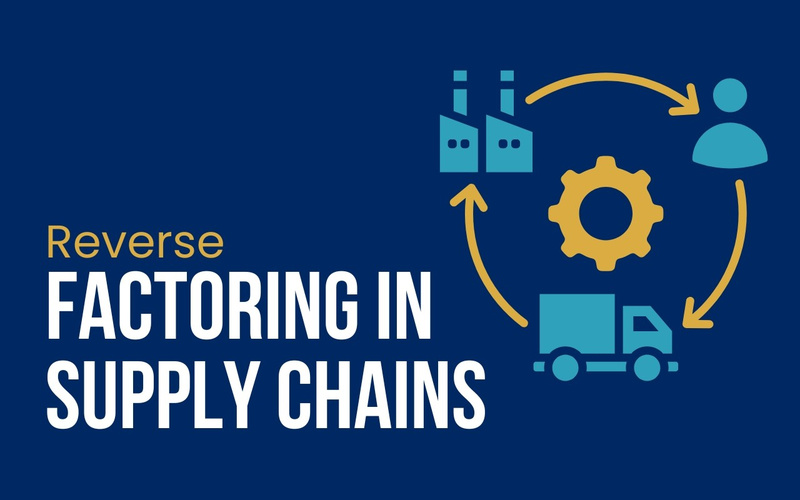
Reverse factoring, also called payables finance, is a supply chain finance solution that enables suppliers to receive early payment on approved invoices through a third-party financial institution or funding platform.
The buyer establishes the program, and participating suppliers can choose to receive payment before the invoice due date in exchange for a financing discount. Financing rates typically reflect the buyer’s creditworthiness, potentially giving suppliers access to more favorable terms than they could obtain independently.
How Does Reverse Factoring Work?
Reverse factoring connects buyers, suppliers, and finance providers through a structured invoice approval and early-payment process.
- Invoice approval: The buyer approves the supplier’s invoice, confirming the amount owed and the agreed payment date, such as net 60 days.
- Financing offer: A finance provider offers the supplier early payment on the approved invoice. The financing cost generally reflects the buyer’s credit risk, the funding period, and program terms.
- Early payment: If the supplier accepts the offer, the finance provider pays the invoice amount minus the agreed financing discount.
- Payment at maturity: The buyer pays the finance provider the full approved amount on the agreed due date.
Digital supply chain finance platforms can connect with ERP systems to exchange approved invoice data, present financing offers, and track payments. Accurate invoice information and timely approvals are essential to keeping the process efficient.
Key Features of Reverse Factoring
- Buyer-led program: The buyer arranges the financing program for eligible suppliers.
- Optional supplier participation: Suppliers generally decide whether to participate and which eligible invoices to finance, subject to program terms.
- Buyer-based pricing: Financing costs typically reflect the buyer’s creditworthiness, which may produce lower rates than the supplier’s own borrowing options.
- Agreed payment terms: Suppliers can receive payment early while buyers retain their agreed payment schedule. Any extension of payment terms must be negotiated separately.
Benefits for Suppliers, Buyers, and Supply Chains
Benefits for Suppliers
Early payment can help suppliers improve liquidity, fund day-to-day operations, and reduce reliance on other borrowing sources. Knowing when approved invoices can be converted into cash can also support more predictable cash flow planning.
Suppliers should compare the financing discount and any program fees against their alternative funding costs before participating.
Benefits for Buyers
Reverse factoring can help buyers support supplier liquidity while managing their own payment schedules. When designed around mutually acceptable terms, a program can strengthen supplier relationships and improve working capital flexibility.
Benefits for the Supply Chain
Access to early payment can help financially constrained suppliers maintain operations and fulfill orders. Supporting supplier liquidity may reduce the risk of disruptions and improve supply chain resilience.
Reverse Factoring vs. Traditional Factoring
In traditional factoring, the supplier typically initiates the arrangement and sells receivables to a factor. Financing terms depend on the structure of the agreement, the receivables, and the relevant credit risks.
In reverse factoring, the buyer establishes the program around approved invoices. The supplier then chooses whether to sell eligible receivables to the finance provider, with pricing typically linked to the buyer’s creditworthiness.
Reverse Factoring vs. Dynamic Discounting
Both approaches allow suppliers to receive early payment, but the source of funding differs.
- Reverse factoring: A third-party finance provider funds the early payment and receives payment from the buyer at maturity.
- Dynamic discounting: The buyer uses its own cash to pay the supplier early in exchange for a discount that varies with payment timing.
Reverse factoring may suit buyers that want to offer suppliers early payment while preserving cash. Dynamic discounting may suit buyers with surplus liquidity that want to earn a return through early-payment discounts.
The appropriate choice depends on funding availability, financing costs, supplier preferences, and working capital objectives.
What Makes a Reverse Factoring Program Successful?
A successful program requires more than access to financing. Buyers and suppliers need clear terms, reliable invoice data, and efficient operating processes.
- Supplier onboarding: Explain eligibility, participation options, financing costs, and payment procedures.
- Transparent terms: Make discounts, fees, payment dates, and contractual obligations easy to understand.
- Timely invoice approval: Resolve discrepancies promptly so eligible invoices become available for financing.
- Technology integration: Maintain consistent information across ERP systems, finance platforms, and accounting records.
- Payment reconciliation: Track financed invoices and reconcile payments accurately to prevent duplicate follow-up or misapplied receipts.
The Role of Accounts Receivable Automation
For suppliers, early-payment programs add another payment channel to manage. Finance teams need visibility into which invoices have been financed, the discounts applied, and the balances that remain outstanding.
A connected accounts receivable automation platform can help teams manage receivables information and coordinate cash application, deductions, and collection workflows.
For invoices outside an early-payment program, collections automation can help prioritize follow-up, track payment commitments, and improve visibility into customer payment behavior.
Is Reverse Factoring Right for Your Business?
Evaluate your cash flow requirements, supplier relationships, financing costs, and operational readiness. Buyers should consider whether the program provides meaningful value to suppliers, while suppliers should compare early-payment costs with their other funding options.
Strong credit profiles can make financing attractive, but successful participation also depends on accurate invoices, timely approvals, and clear payment processes.